What Actually Happens During a Hydronic Heat Pump Installation
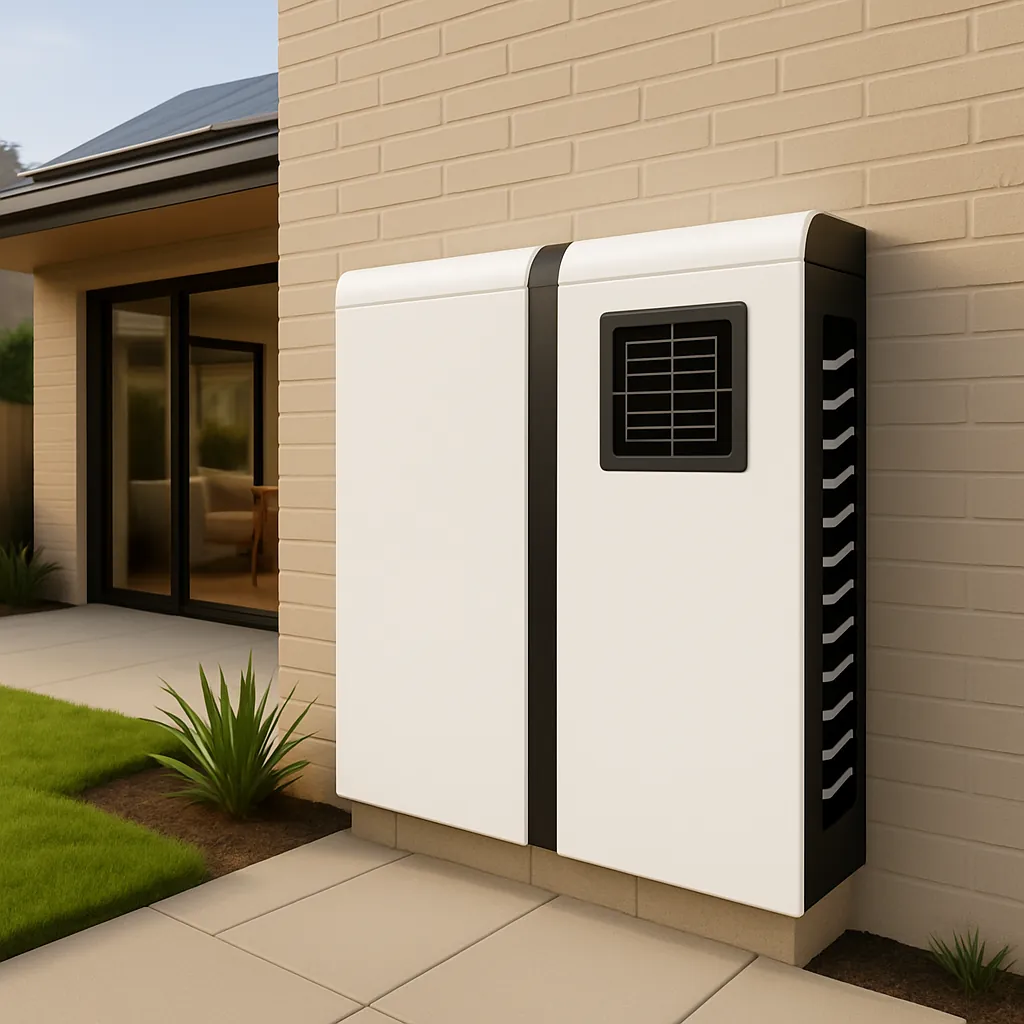
Most people picture more upheaval than there actually is. A hydronic heat pump installation swaps your heat source and adds storage; your radiators, underfloor circuits, and most of your pipework stay exactly where they are. Here's the real sequence, who does what, and the handful of things worth sorting out before install day so there are no surprises.
Before install day: the prep
It starts with a free site assessment, where we confirm the system suits your home and plan the install. From there, a couple of licensed trades get things ready:
- Your electrician runs a dedicated circuit. A licensed electrician runs a circuit from your switchboard to wherever the system is going, ready for the heat pump to connect to on the day.
- A licensed plumber disconnects the old gas boiler. The old boiler is taken out of service and its gas line is capped by a licensed plumber. (We go into that side of things in what happens to your old gas boiler.)
- The site gets prepped. We agree where the unit goes and make sure there's a clear path to get it in.
A heads-up on your switchboard
This is the one worth knowing early. A heat pump draws more power than your old gas boiler's controls ever did, so it adds a real new load to your switchboard. Most homes handle it fine, but some need a switchboard or electrical upgrade to take it on. We check this at the site assessment and flag it well before install day, so if anything's needed it's sorted in advance rather than discovered with the van in the driveway. It's a normal part of electrifying a home, not a red flag, but it's exactly the kind of thing we'd rather talk about up front.
Your hydronic heat pump installation, step by step
On the day itself, in roughly this order:
- Delivery and placement. The heat pump and thermal store arrive and are positioned, the heat pump outside on a pad or bracket, the store in a services room, garage, or a weatherproof spot outside, wherever we agreed.
- Hydronic connection. We connect the system to your existing pipework, in place of the old boiler. Your radiators and underfloor circuits run exactly as they always have.
- Electrical connection. Your electrician wires the heat pump into the circuit they prepared earlier. The controls and auxiliary gear run off a standard power point.
- Fill, test, commission. We fill the system, pressure-test for leaks, and commission it across every zone, then set up the smart controls and app.
- Walkthrough. We show you the app, how the storage works, and how to set your comfort preferences, then we're out of your hair.
Most homes are done in a single day. Larger systems or more complex pipe runs can take two.
A few things we'll talk through with you
None of these are deal-breakers, they're just the things worth lining up early:
- Switchboard capacity: as above, so any upgrade happens before install day.
- Where the unit goes, and getting it in: placement and the access path for the equipment.
- Site access on the day: clear access and someone home to let us in and do the walkthrough.
- Your old gas system: removal, capping, and whether to disconnect the meter, covered here.
- Whether your radiators are a fit: usually yes; more in the flow-temperature question, answered.
We map all of this out at your site assessment, so by install day everyone knows exactly what's happening and there are no surprises.
Still deciding whether a heat pump suits your home at all? Start with can a heat pump replace my gas hydronic boiler? Otherwise, request a quote and we'll plan your install.