Can a Heat Pump Replace My Gas Hydronic Boiler?
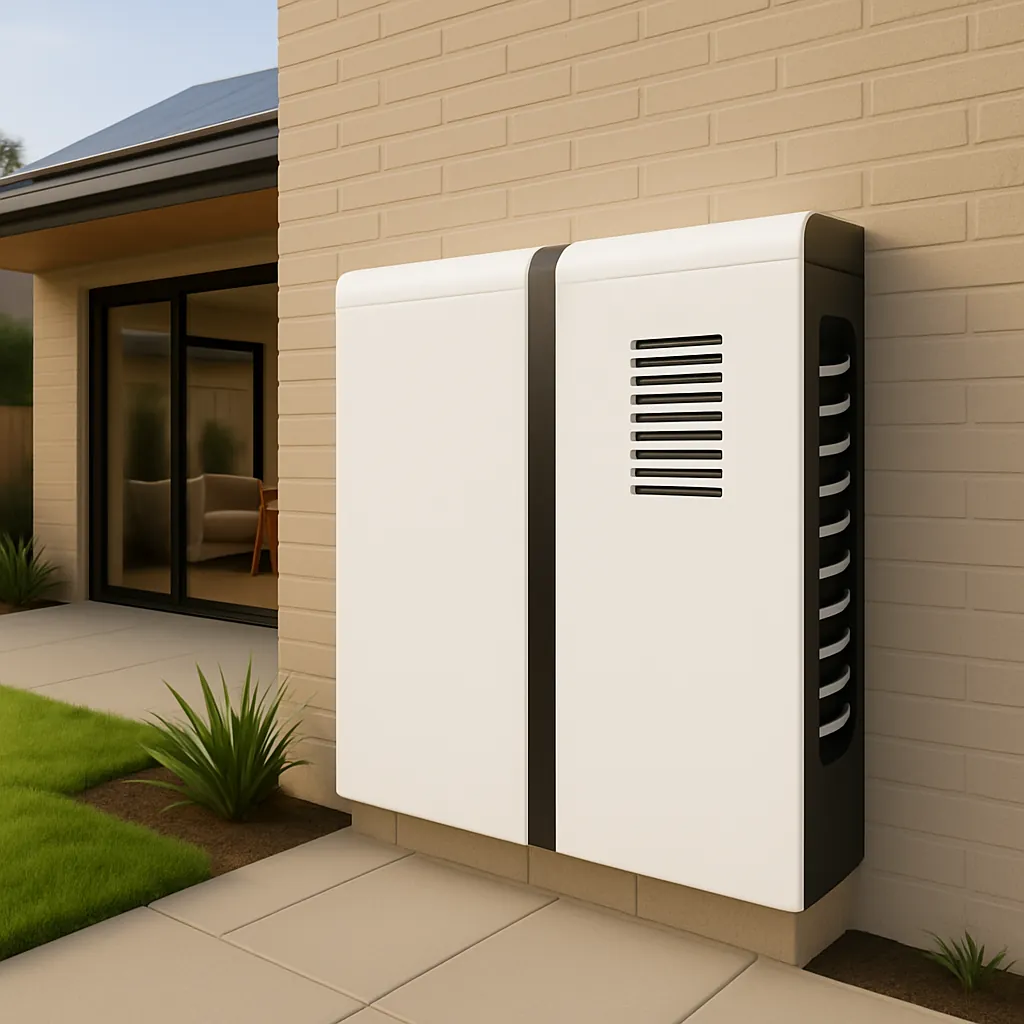
The short answer: for most gas hydronic homes, yes, a heat pump can replace your gas boiler, and you can usually keep your existing radiators and pipework. The reason people doubt it comes down to one number, and it's worth knowing why that number is misleading, and how to find out where your home stands.
Your gas boiler probably runs at 70–80°C, and you may have heard heat pumps top out around 55°C. That's true of older systems, but it misses the point: flow temperature isn't about comfort, it's about whether your radiators can deliver enough heat at a lower water temperature. For most Australian homes, they can.
What actually decides whether a heat pump will replace your gas hydronic boiler
Three things, in plain terms:
- Your radiators. Bigger radiators (or underfloor heating) deliver plenty of heat at lower temperatures. Many homes already have the surface area; some need a tweak in a room or two.
- Your insulation. A well-sealed, insulated home needs less heat, so lower flow temperatures go further.
- Your refrigerant. A newer R290 (propane) heat pump runs up to about 70°C, almost gas-boiler territory, which closes the gap for older or undersized radiators.
There's even a simple two-day test you can run on your own boiler to find out where you stand before you talk to anyone. We walk through it, plus exactly when radiators do and don't keep up, in our deep-dive on the flow-temperature question, answered.
But what about my pipes? And summer?
Two follow-up worries come up a lot. The first is pipework: some installers claim you'll need to replace every pipe. You almost never do, and we debunk exactly that in the heat pump pipe diameter myth. The second is cooling: the same system can cool your home in summer through underfloor circuits or fan coil units, which we cover in hydronic cooling with fan coil units.
How we confirm it for your home
Everything above gets you most of the way, but your home is your home. A free site assessment measures your radiators, insulation, and flow temperatures and tells you plainly: clean fit, a couple of tweaks, or genuinely not suitable (rare). You get a fixed quote, with no obligation until you approve it.
Bottom line: the "heat pumps run too cool" worry is real on paper and usually solved in practice. Most gas hydronic homes can switch, keep their radiators, and heat the house on stored solar instead of gas.
Ready to find out? Request a quote and we'll confirm it for your home.