What Happens to Your Old Gas Boiler: Removal and Electrification, Step by Step
Replacing your boiler isn't quite the end of the gas story. Once a heat pump takes over the heating, there are a few more decisions about the old unit and your gas connection, and old gas boiler removal during electrification is one of the things homeowners ask us about most, because no one explains it upfront. Getting it right can also cut around $300 a year off your bill in standing charges alone. Here's exactly how it works.
Old gas boiler removal during electrification: who does what
There are three separate things people lump together, decommissioning, removal, and the gas connection, and they're handled differently.
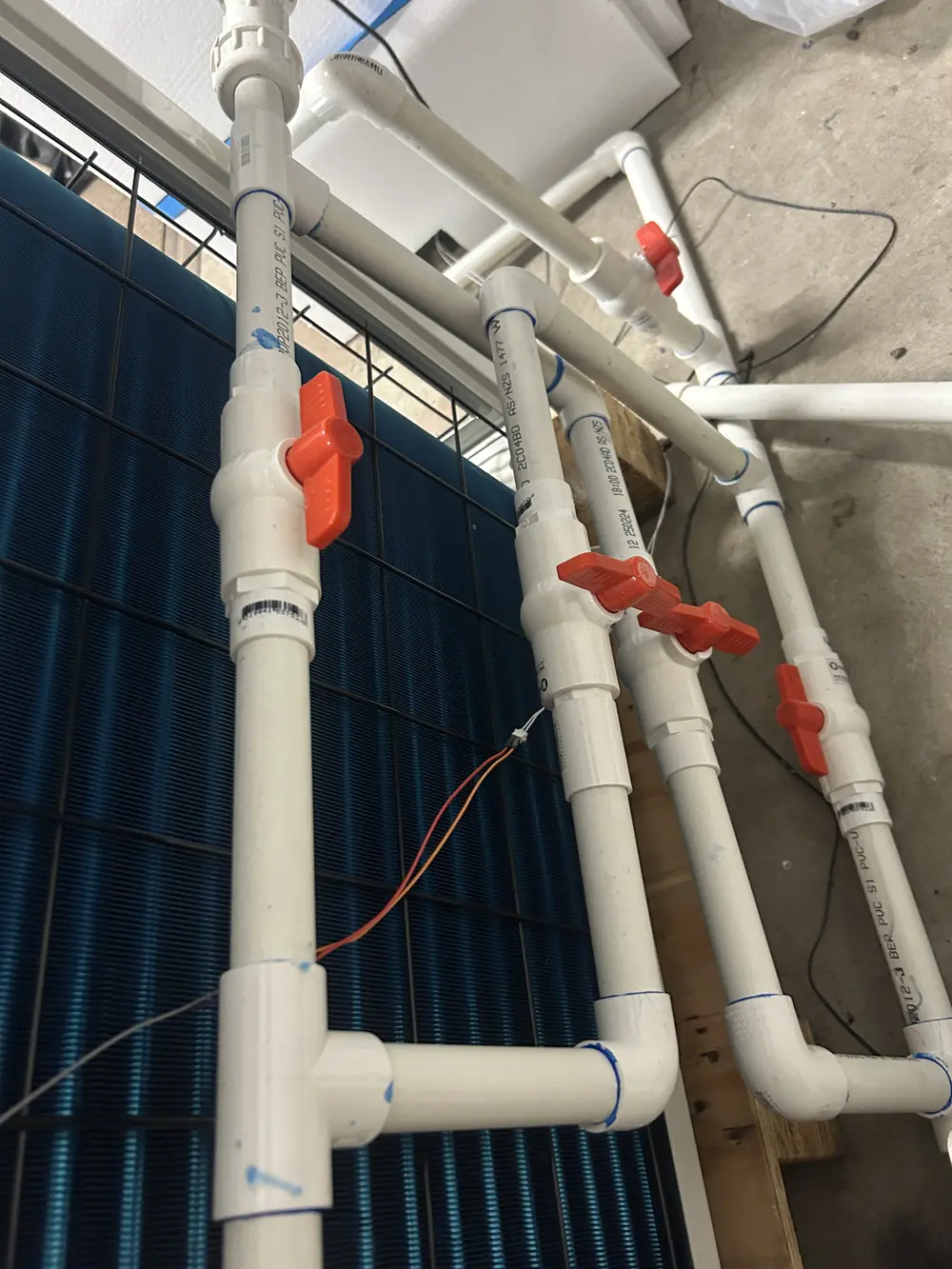
1. Decommissioning the boiler. During the install, the old gas boiler is disconnected from your hydronic circuit and taken out of service. The heat pump connects where the boiler used to sit, and from that point the boiler is doing nothing, it's just hardware on the wall until it's removed.
2. Removing the unit. We take the old boiler away as part of the job, so you're not left with it. That said, a working boiler is still useful kit, some homeowners prefer to sell it on Marketplace or pass it on. Either is fine; it's your call, and we'll work around whichever you choose.
3. Capping the gas line. This is licensed work. A qualified, licensed plumber caps the gas line that fed the boiler, that's a safety job that has to be done properly, by the right trade. We can coordinate it for you, or your own licensed plumber can handle it. Either way, it's done by a licensed professional, not as a DIY step.
Should you disconnect the gas meter entirely?
Here's where there's real money on the table. Capping the boiler's gas line stops the boiler using gas, but if the boiler was your only gas appliance, you may still be paying a daily supply charge just to keep the meter connected. That charge runs in the order of $300 a year, whether or not you use a single unit of gas.
Disconnecting the gas meter removes that charge for good. It's usually a one-off cost of around $200, paid to your distributor, against an ongoing saving of roughly $300 a year: so it typically pays for itself inside the first year. The main reason to not do it is if you still have other gas appliances (a cooktop, say) that you're keeping. We'll help you weigh it up based on what else in your home runs on gas.
(Figures are indicative and vary by distributor and network, we'll point you to the real numbers for your area.)
"Should I keep the boiler as a backup?"
A common instinct, and usually not worth it. Keeping the boiler as backup means keeping the gas connection, which means keeping the daily supply charge, to cover a scenario that, with a properly sized heat pump and thermal storage, rarely arrives. For most homes the standing charge over a few years costs more than the peace of mind is worth, and the space is better reclaimed. There are exceptions (some complex or heritage setups), and we'll flag yours if it's one of them.
The short version
When you electrify, your old boiler gets decommissioned and removed as part of the install; you decide whether to scrap or sell it; a licensed plumber caps the gas line (coordinated by us or your own tradesperson); and you choose whether to disconnect the gas meter to kill the daily supply charge, usually about $200 once to save about $300 a year. None of it is a mystery, and none of it lands on you to figure out alone.
If you're still weighing up whether now is the right time to make the switch at all, the 15-year cost comparison puts the running-cost trajectory next to the capital cost so you can see the whole picture.