The Heat Pump Pipe Diameter Myth, Debunked
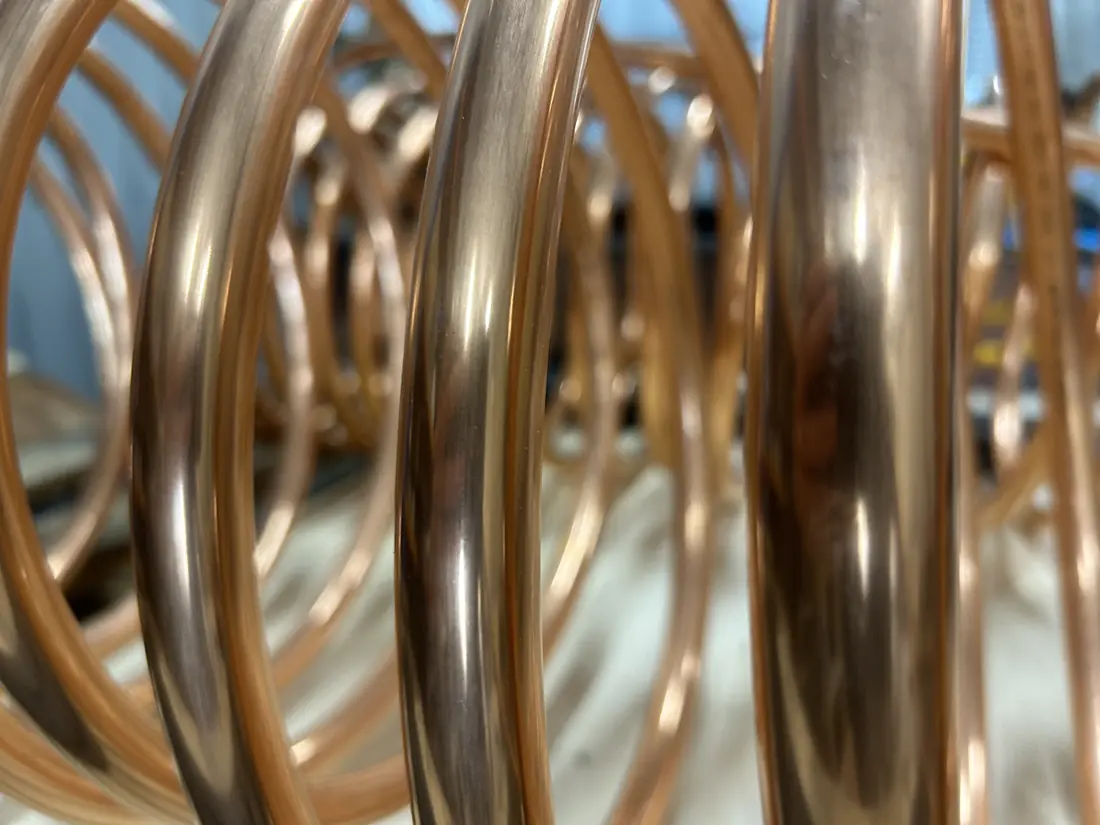
A reader recently told us her plumber said switching from her gas boiler to an electric heat pump would mean replacing every pipe in her hydronic system. It's one of the most common things we hear, and it's almost always wrong. The heat pump pipe diameter myth stops a lot of conversations cold, so here's the actual physics, plainly, so you can tell when it applies to your home and when it doesn't.
Where the heat pump pipe diameter myth comes from
The claim sounds technical enough to be believable: "heat pumps run cooler than gas, so to deliver the same heat they have to push more water, so you need bigger pipes." Each step has a grain of truth, which is what makes the conclusion so sticky. But the leap to "replace all your pipes" doesn't follow.
The thing being skipped is that delivering heat isn't only about how much water you move.
The physics, in one line
The heat a hydronic system delivers comes down to a simple relationship:
Heat output = flow rate × temperature difference.
In plain terms: you can deliver a given amount of heat by moving more water at a lower temperature, or by moving less water at a higher temperature. They're two levers on the same machine. A heat pump runs cooler, yes, but the system can compensate by circulating water a little faster, and the existing pipes have headroom to carry that. Hydronic pipework is rarely run at its absolute limit to begin with, so there's usually room to move.
That's why, for the overwhelming majority of retrofits, your existing pipes are fine. The water loop you already have was built to move heat around your home, and it still does, the heat source on the end of it is what's changing, not the plumbing.
When bigger pipes are genuinely needed (and it's rare)
Here's when pipe size genuinely is a constraint: a home with genuinely undersized radiators, in a cold climate zone, paired with a low-temperature heat pump, where the system would need to move a lot of water through narrow original pipework to keep up. It happens, but it's the exception, not the rule, and it usually shows up as one section of the system, not the whole house.
And even then, there's a lever that often removes the problem: an R290 (propane) heat pump runs hotter, up to about 70°C, which means it doesn't need to move as much water to deliver the same heat. Higher temperature, lower flow, existing pipes. R290 quietly makes the pipe-size question moot in a lot of the borderline cases.
A word on why you keep hearing it
It's worth being frank about incentives. "You'll need to replace all your pipes" turns a tidy heat-source swap into a much bigger, more expensive, more disruptive job. Sometimes that's caution; sometimes it's an installer who's more comfortable quoting a full rip-out than a retrofit. Either way, you don't have to take it at face value. The physics above is the test, and a proper assessment is the proof.
How to know for sure, for your home
You don't have to settle this by argument. A free site assessment measures your actual radiators, flow temperatures, and pipework and tells you plainly whether your existing pipes carry the load, which, for most homes, they do. If a section genuinely needs attention, we'll show you why and what it costs, rather than defaulting to "replace everything."
If you're earlier in the process and still wondering whether a heat pump suits your home at all, start with Can a heat pump really replace my gas hydronic boiler?, this pipe question is one piece of that bigger picture.
Bottom line: "you'll need bigger pipes" is true for a small minority of homes and wrong for most. Heat output is flow rate times temperature difference, your existing loop has headroom, and R290 closes the gap on the edge cases. Don't let a myth cost you a system that would have worked.